
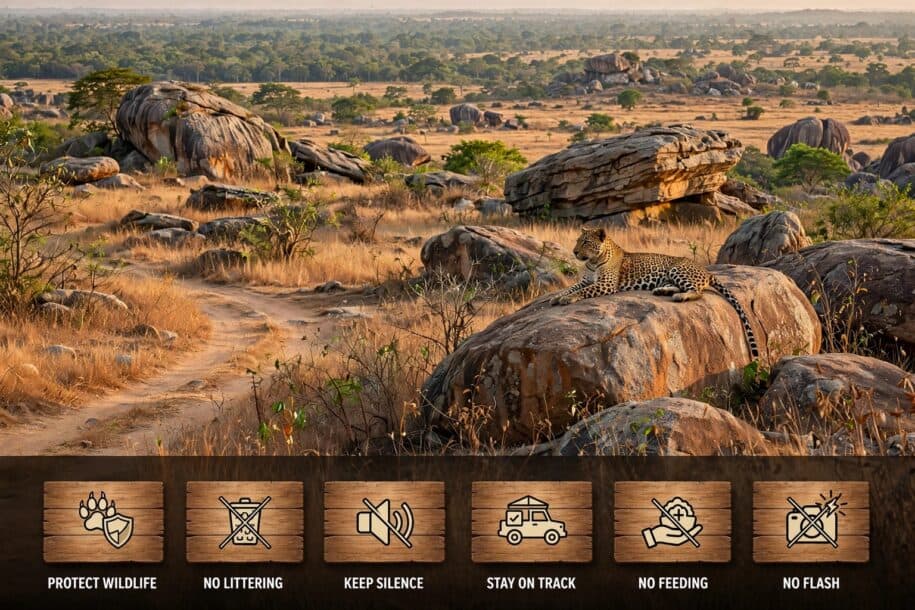
Planning a safari requires precise timing and strict adherence to official park schedules. The Department of Wildlife Conservation mandates a complete shutdown of Yala National Park Blocks 1 and 2 from September 14 to October 15, 2026. This hard closure protects the resident wildlife during the peak dry season. However, if your travel dates fall within this exact window, you must pivot your itinerary to the western frontier. Read on to discover exactly how this massive sanctuary is divided, where the leopards are hiding, and why this mandatory shutdown is a critical conservation strategy.
Ground Status For 2026
Picture a sprawling landscape where golden scrub jungles meet the crashing waves of the Indian Ocean. Tourists from across the globe flock to this ancient kingdom for a thrilling jeep ride. Managing a wilderness this vast requires careful planning by the Department of Wildlife Conservation. That is exactly why the sanctuary is divided into specific administrative zones. Understanding the Yala National Park blocks is the ultimate cheat code for booking the perfect safari. You get to bypass the crowded routes and spot rare animals in their natural element.
The southern sectors enforce a strict annual pause. This mandatory break prevents wildlife from suffering heat stress caused by heavy jeep traffic. Moreover, it gives park rangers the necessary time to grade dirt roads and repair vital water tanks before the monsoon arrives.
Mapping The Ancient Kingdom
The concept of dividing Yala National Park into specific sectors is a modern administrative strategy. The area itself has been a protected sanctuary since the days of the ancient Kingdom of Ruhuna. It hosted flourishing civilizations and remains home to ancient Buddhist sites like Sithulpahuwa and Magul Vihara. Under British colonial rule, the landscape transitioned into a hunting reserve. It was officially designated as a Game Sanctuary in 1900 and gazetted as a National Park in 1938.
The boundaries of the 979-square-kilometer reserve were drawn based on ecological zoning and rainfall gradients. This careful mapping separates strict nature reserves from areas open for regulated eco-tourism. The southern sectors receive low rainfall and feature open lagoons. The northern borders catch significantly more rain, resulting in dense riverine forests. This geographic divide creates entirely different habitats within the same protected area.
Understanding The Yala National Park Blocks
Every sector offers a completely distinct safari experience. Knowing the difference between Yala National Park Block 1 vs Block 5 will completely change your wildlife sightings. Here is what you need to know about each unique zone.
- Block 1: This is the undisputed leopard hub. It features open plains, coastal lagoons, and scrub jungle. The sparse vegetation makes spotting the elusive Sri Lanka wildlife significantly easier. It is the most famous and frequently visited area of the entire reserve.
- Block 2: Located directly adjacent to the first sector, this zone offers a much more rugged wilderness experience. The vegetation is thicker and the roads are fewer. It sees far less tourist traffic, providing a highly exclusive game drive.
- Block 3: This area functions primarily as a research and anti-poaching zone. It remains closed to general tourism to protect highly sensitive habitats and breeding grounds.
- Block 4: Bordering the Buttala area, this deep forest sector receives around 1200 mm of rain annually. The dense canopy makes it a haven for incredibly shy forest birds and elusive sloth bears.
- Block 5: Often grouped with the Lunugamvehera National Park sector, this western frontier is an absolute paradise for elephant herds. The topography is dominated by massive reservoirs and tall grasslands. It is the perfect alternative when the southern sectors are closed.
Gateway Logistics
Knowing which zones to visit forms half the battle. Getting to the right gate before the morning rush is where the real game begins. The Yala National Park blocks have multiple entry points, and choosing the wrong one can cost you precious hours of wildlife viewing.
Palatupana Gate is the main entrance for Block 1. It is located about 45 minutes from Tissamaharama. If you want the classic open-plains leopard experience, this is your starting point. Expect a queue here at 5:30 AM.
Katagamuwa Gate provides access to the western sectors, including Block 5. It is significantly quieter than Palatupana. Travelers staying in the Buttala or Thanamalwila areas will find this route much more convenient.
Galge Gate opens up the dense forests of Block 5 and the Lunugamvehera border. It is the ultimate secret weapon for avoiding crowds during the September and October closures. Booking a private transfer with a reliable driver ensures you arrive at the gates well before the sun rises. Beating the rush by just twenty minutes often means being the first jeep at a fresh set of pugmarks.
Let us talk about the reality of modern wildlife tourism. Yala is incredibly popular. On a busy weekend, it is common to see twenty jeeps clustered around a single sleeping leopard. This phenomenon is frustrating for visitors and stressful for the animals.
Outsmarting the crowd requires a bit of strategy and a highly skilled tracker. Most tourists insist on sticking to the main dirt highways where radio communication spreads news of a sighting instantly. The secret to a pristine safari is telling your driver to take the smaller, rougher cutoff roads.
These secondary tracks are bumpier and require a sturdy 4×4. They lead to hidden waterholes where the leopards actually hunt. Furthermore, visiting during the shoulder seasons right after the park reopens in late October offers a brilliant window. The landscape is lush green, the animals are highly active after the drought, and the massive tourist rush has yet to peak.
The Ecological Holiday
The temporary closure of the Yala National Park blocks is a scientifically driven management strategy. This period is known as an ecological holiday. Animals face severe dehydration risks during the peak of the dry season. They must travel long distances to reach the few remaining waterholes.
Constant jeep presence disrupts their natural migration and mating behaviors. By shutting down the main gates, the authorities allow the vegetation to recover from heavy tire trampling. Invasive plant species are cleared, and the natural balance of the ecosystem is restored. This brief pause ensures the sanctuary remains vibrant and healthy for future generations.
The Tsunami That Reshaped The Yala National Park
The geography of the southern sectors holds a fascinating, albeit tragic, history. The coastal borders of Block 1 look like they have been that way for millennia. In reality, the landscape was violently redrawn on December 26, 2004.
When the Indian Ocean Tsunami hit the southern coast of Sri Lanka, the waves surged deep into the sanctuary. The sheer force of the water carved out new lagoons and flooded low-lying scrublands. Interestingly, park rangers and researchers noted a remarkable survival instinct among the resident wildlife.
Elephants were observed breaking their chains and running for higher ground hours before the wave hit. Very few animal casualties were recorded inside the park. Today, those newly formed coastal lagoons serve as vital feeding grounds for mugger crocodiles and waterbirds. It is a unique ecosystem born from a natural disaster.
Safari Gear And Photography Tips
Capturing a leopard moving through the dappled sunlight of a Weera tree requires top-tier equipment. The dust in the dry zone is notoriously fine and gets into everything. Protecting your gear is just as important as knowing how to use it.
Bring a microfiber cloth and a manual air blower to clean your lenses between sightings. The golden hour lighting in the early morning is spectacular. The harsh midday sun creates deep shadows, making a lens with a wide aperture like a 70-200mm f/2.8 perfect for isolating your subject.
Dress in muted earth tones like olive green, khaki, or brown. Bright colors like red or white stand out sharply against the scrub jungle and can easily spook the sharp-eyed sloth bears and deer. Bring a high-quality pair of binoculars, as some of the best sightings involve rare endemic birds perched high in the canopy.
Breaking Down The Costs
Budgeting for a premium safari requires knowing exactly what you are paying for. The costs are generally split into two categories: the government entry fees and the private jeep hire.
As of 2026, the Department of Wildlife Conservation charges foreign visitors approximately $30 to $40 USD for the Yala National Park entry ticket. This fee depends on group size and current exchange rates. This fee is mandatory and must be paid at the gate.
The jeep rental is a separate private cost, usually ranging between 8,000 to 12,000 LKR for a half-day drive. This price typically includes the vehicle, fuel, and an experienced local driver. Many high-end Tour Operators bundle this into a comprehensive package that includes a dedicated naturalist tracker, park entry, and luxury transfers. This ensures a seamless experience without fumbling for cash at the gates.
Yala National Park blocks – Frequently Asked Questions
Are all sectors of Yala Safari closed during September?
Only the southern sectors close for the annual ecological holiday. You can easily book a Yala Safari September trip by heading to the western sectors or neighboring parks.
Which area has the highest leopard density in Yala National Park?
The first sector is globally renowned for having one of the highest leopard densities on the planet. The open terrain makes tracking them much easier for expert guides.
What is the best time for a leopard safari Sri Lanka?
The dry months from February to July offer the best visibility. Animals congregate around the shrinking lagoons, making wildlife spotting highly predictable.
Can I visit the Yala National Park on the day it reopens?
The gates open promptly at 6:00 AM on the reopening date. Booking your jeep and tracker weeks in advance is highly recommended to secure the first entry.