
Packing your bags for a tropical getaway usually involves thoughts of pure relaxation. Today, travelers carry a different kind of luggage. They bring a genuine desire to leave a positive mark on the world. This mindset drives the massive rise of regenerative tourism Sri Lanka is currently experiencing. Visitors want their holidays to actively heal the destinations they visit. The concept moves past simply minimizing harm. It focuses on active restoration. You plant trees, support local artisans, and help wildlife thrive. Your vacation becomes a direct force for good.
What Is Regenerative Travel?
Understanding this movement requires looking at how travel philosophies have evolved. Sustainable travel Sri Lanka promotes aims to balance economic, social, and environmental needs. It keeps things exactly as they are. Regenerative travel takes the next step. It actively improves the ecosystem and the local culture.
The Global Sustainable Tourism Council defines this approach as leaving destinations in a better state than before. Travelers now seek hands-on opportunities. They want to join clean-up drives, plant native saplings, and engage in authentic cultural exchanges. Two-thirds of global tourists actively look for these meaningful experiences. Modern tourists demand eco-friendly hotels alongside tangible ways to improve local livelihoods.
Why Sri Lanka is the Perfect Canvas
The island nation offers a spectacular backdrop for this movement. It holds UNESCO World Heritage biospheres and national parks bursting with life. The Sinharaja Rainforest Reserve spans thousands of hectares and shelters dozens of endemic species. The Knuckles Mountain Range provides misty, pristine trails. These areas hold immense conservation value.
Eco-lodges here invite guests to become guardians of the land. Tourism revenue flows directly into village projects, lifting local incomes and funding forest protection. The national Tourism Alliance notes that travelers increasingly want packages combining wildlife visits with tree-planting and cultural exchange. Sri Lankan authorities have set strict sustainability goals aligned with UN targets for 2030. These policies actively encourage hotels and tour operators to adopt regenerative models.
7 Eco-Lodges Sri Lanka Leading the Charge
Many properties across the island offer stays that actively help people and places. Here are seven leading regenerative tourism examples setting the standard.
1. Gal Oya Lodge (Eastern Sri Lanka)
This remote jungle lodge sits near Gal Oya National Park. It embeds community benefits directly into daily operations. Profits fund village projects like school toilets and educational books. The lodge employs former poachers from the area. Three men who once hunted wildlife now work as a night guard, a driver, and a trainee guide. They actively contribute to protection efforts. Ecologically, the property preserves large habitats. Builders developed only two hectares of the twenty-acre site. The remaining eighteen hectares of former farmland returned to forest. An additional hectare received new native trees. The lodge nurtures the local ecosystem and economy hand in hand.
2. Rainforest Ecolodge (Sinharaja)
Located on the edge of the famous rainforest reserve, this property pioneered sustainable hospitality. Environmental best practices form the core of its operations. The lodge launched a village uplift project for a nearby tea-worker community. This initiative improved living conditions and created long-term empowerment. Local people work as guides and staff, keeping tourism dollars in the region. The national tourism authority recognized it as the first officially certified ecolodge in the country. It explicitly benchmarks its operations on environmental best practices, community outreach, and rainforest conservation.
3. Polwaththa Eco Lodges (Knuckles Range)
Nestled in the Central Highlands, Polwaththa operates as a community-run project. Guests stay in rustic wooden cabins and practice forest yoga. The income from visitors flows directly to local people. The lodge employs many villagers from nearby areas. It also runs a small spice workshop that buys and processes the villagers’ spice harvest for export. Polwaththa creates sustainable livelihoods in a region that would otherwise see little benefit from tourism. Guests participate in guided hikes through pristine trails, directly valuing the natural heritage.
4. Madulkelle Tea & Eco Lodge (Knuckles Range)
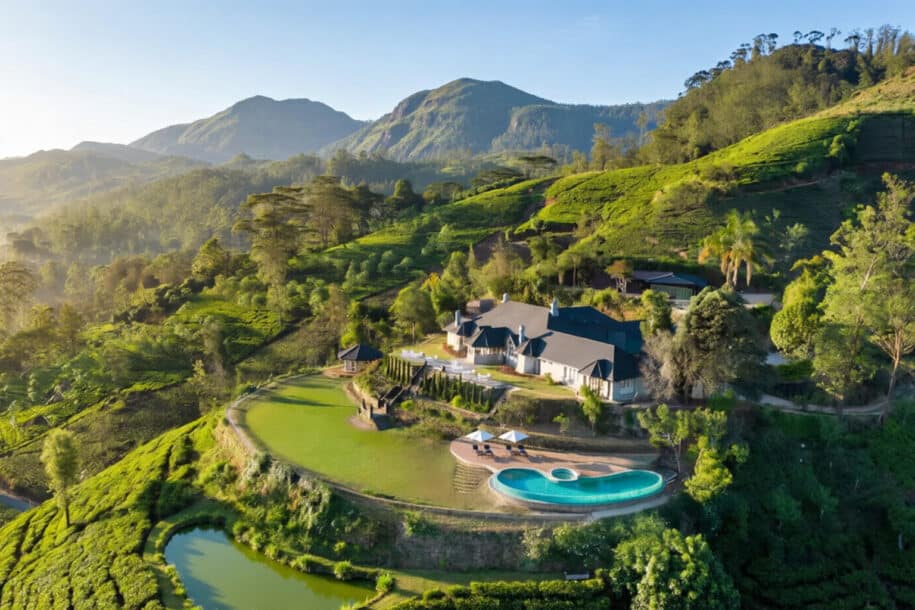
This boutique lodge sits on a working tea estate in the same mountain range. It integrates regenerative ideas by using local labor and sustainable materials. Guests tour the organic tea fields grown without chemical pesticides. The owners teach visitors about rewilding plantation land. The property markets itself heavily on its eco-friendly design and deep connection to Tamil tea country culture. It provides a beautiful, immersive look into sustainable agriculture.
5. Jetwing Vil Uyana (Sigiriya)
Situated in the cultural heartland, this renowned eco-resort was built on a reclaimed wetland. In 2004, an abandoned 28-acre paddy field transformed into a landscaped series of rice paddies, marshes, and gardens. The resort dedicates four acres specifically to rice cultivation. Local farmers manage this land using traditional methods. Jetwing also started a youth training program that gave job skills to local teenagers. About fifty graduates from that program now work at Vil Uyana. Condé Nast named it one of the top eco-hotels in the world in 2023. The resort sources all its food and materials from the surrounding region to boost the rural economy.
6. Yakaduru Yala (Yala National Park Area)
Yakaduru operates as an award-winning eco-camp on the edge of Yala. It actively invites guests to give back to the environment. The camp participates in official reforestation drives with the forestry department. Visitors plant trees to leave a living legacy where leopards and elephants roam. The lodge celebrates rural life by supporting local farming traditions. It partners with villagers to revive traditional chena cultivation in a sustainable way. This preserves agri-heritage while preventing deforestation. The camp runs on solar power and features mud huts with palm roofs, minimizing energy use and blending perfectly into nature.
7. Wild Coast Tented Lodge (Yala)
This luxury safari lodge sits between the jungle and the sea. Architects designed it for minimal environmental impact. The structures use one hundred percent reclaimed teak and bamboo. These materials weather naturally into the environment. The property features no boundary fences. Wild elephants and other animals move freely across the entire site. Builders added large fishponds irrigated with treated grey water to increase on-site biodiversity. The construction process trained local people directly. Eighty local fishermen learned bamboo building techniques to erect the unique cocoon cabins. The resort recycles waste into biogas and desalinates seawater for daily use. Rooftop solar panels meet forty percent of the energy needs. Visitors watch elephants at on-site waterholes while their stay funds habitat preservation.
Measuring the Real Impact
The true value of eco lodges Sri Lanka offers lies in measurable outcomes. Many of these properties achieve external certifications and awards. The Rainforest Ecolodge holds specific certifications in responsible tourism. Jetwing Vil Uyana’s design increased on-site biodiversity significantly. After construction, the resort recorded over 150 bird species and 29 mammal species on its grounds.
These projects report tangible outputs across several categories:
- Land Restored: Gal Oya Lodge saved eighteen hectares of habitat from farming. Wild Coast expanded habitat with new ponds. Jetwing Vil reclaimed twenty-eight hectares of wetland.
- Tree-Planting: Yakaduru and similar camps routinely host guest-led tree planting drives. Camps report thousands of seedlings planted since their launch.
- Community Incomes: Polwaththa Eco Lodges employs dozens of villagers who earn from lodge-related spice production. Gal Oya’s former poachers now hold steady jobs. Rainforest Lodge’s tea village program brought full-time wages to a previously underprivileged community.
- Education and Training: Jetwing’s youth program graduated fifty local workers. Wild Coast trained eighty fishermen in new construction skills.
Sri Lanka’s tourism industry is actively institutionalizing these values. The Sri Lanka Tourism Development Authority and private consortiums endorse Global Sustainable Tourism Council criteria. Properties explicitly follow these guidelines for waste management and cultural respect. Regenerative tourism here is grounded in measurable environmental and social programs.
Your Role in the Journey
Choosing regenerative travel means selecting trips where your presence directly helps. You plant trees, support wildlife research, and boost villages. Travelers on these trips give back through restored forests, funded schools, and empowered communities. This shift is rapidly becoming a defining feature of the island’s tourism future. Your next vacation holds the power to heal, restore, and uplift.